Fine Art Family Photography Stories & Resources
A journal for families seeking timeless portraits across South Jersey, Philadelphia, and the surrounding region.
This journal shares fine-art family photography stories, session inspiration, and location guides for families throughout South Jersey and the greater Philadelphia area. Each post is designed to help parents plan meaningful portrait experiences while exploring the artistry behind Shooting Star Photography’s heirloom approach.
Explore Portrait Experiences:
Photography Developing Your Brand
Developing your personal brand and style is extremely important when opening a photography business. You DO NOT want to look like everyone else out there. It’s important to stand out and offer different and unique offerings and to develop and signature look and style.
Small business owners have various responsibilities, including:
Business Planning: Developing a business plan, setting goals, and creating strategies for growth.
Financial Management: Managing finances, budgeting, and ensuring profitability.
Marketing and Sales: Promoting products or services, attracting customers, and making sales.
Operations: Overseeing day-to-day operations, managing inventory, and optimizing processes.
Customer Service: Providing excellent customer service and addressing issues.
Human Resources: Hiring, training, and managing employees.
Legal and Compliance: Ensuring the business complies with regulations and licenses.
Networking: Building relationships with suppliers, customers, and other businesses.
Innovation: Adapting to market changes and exploring new opportunities.
Time Management: Juggling multiple tasks and responsibilities effectively.
Risk Management: Identifying and mitigating risks to the business.
Bookkeeping: Keeping track of financial transactions and records.
Tax Planning: Managing tax obligations and reporting.
Strategic Decision-Making: Making critical decisions to drive the business forward.
Adaptability: Being flexible and responsive to market dynamics and challenges.
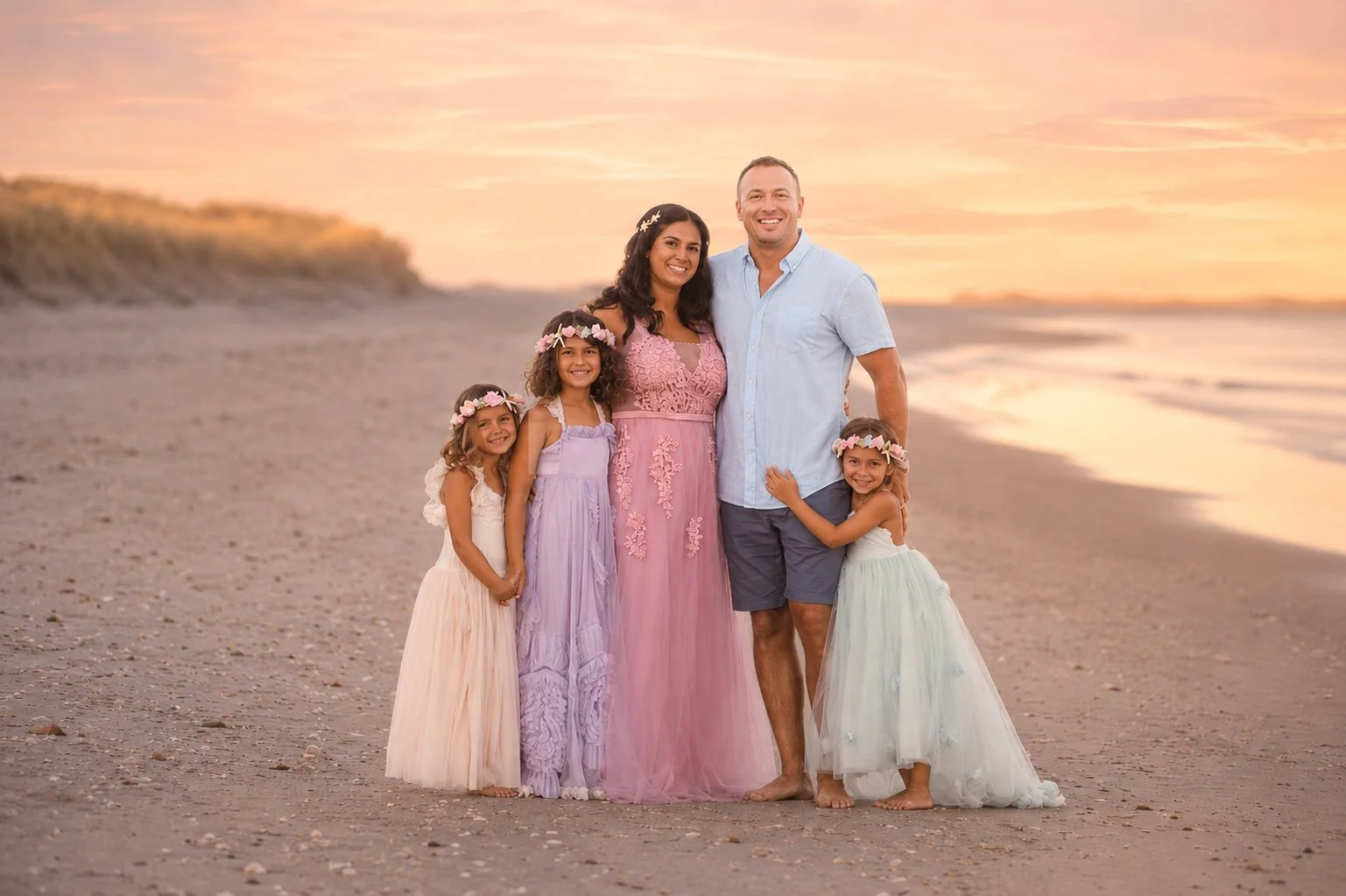
Beach sessions have become our signature branding in the photography industry.
Small business owners wear many hats and must be resourceful and adaptable to succeed. They aren’t just clicking a button. As you see, that’s probably only 10% of a photography business. There is so much that goes behind the scene.
Not only do we take beautiful portraits, but it’s also important to branch out on other avenues for what is called “passive income.”
Passive income ideas for a photographer could include:
Stock Photography: Sell your photos on stock photography websites where you earn royalties each time your images are downloaded.
Photography eBooks or Courses: Create and sell photography guides or online courses, sharing your expertise with others.
Print-on-Demand Merchandise: Use your photos on products like posters, calendars, or mugs through print-on-demand services.
Photo Licensing: License your images for commercial use in advertising, magazines, or websites.
Photo Print Sales: Sell prints of your best work online or in local art markets.
Create a Photography Blog or YouTube Channel: Generate passive income through ads, affiliate marketing, or sponsorships.
Photography Apps: Develop and sell mobile apps related to photography or photo editing.
Photo Subscription Service: Start a subscription service where subscribers receive exclusive photos each month.
Photo Workshops or Tours: Set up photography workshops or tours and earn money from participants.
Real Estate Photography: Offer your services to real estate agents for property photography.
Remember that building passive income often requires an initial investment of time and effort, but it can provide ongoing income in the long run.
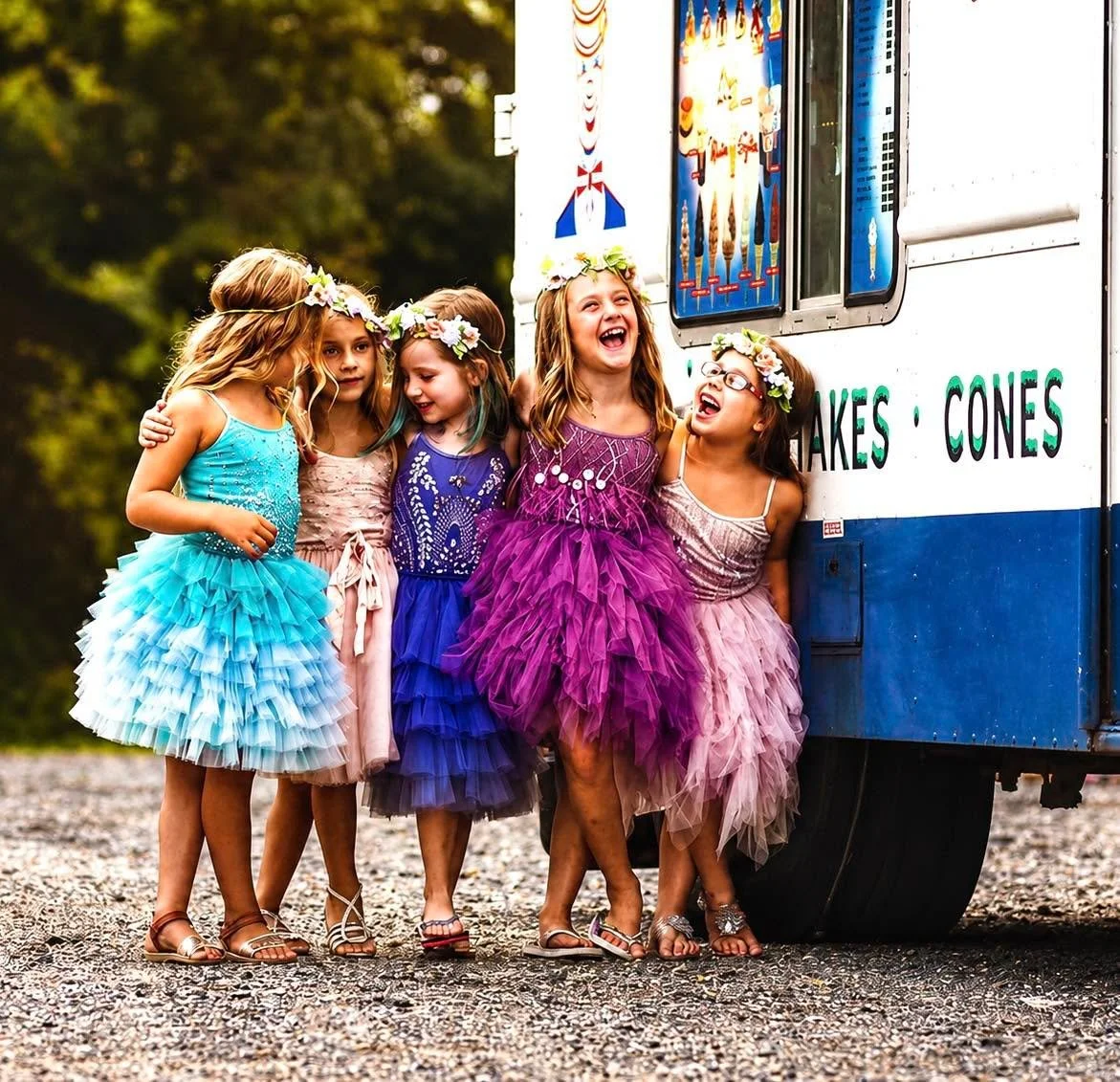
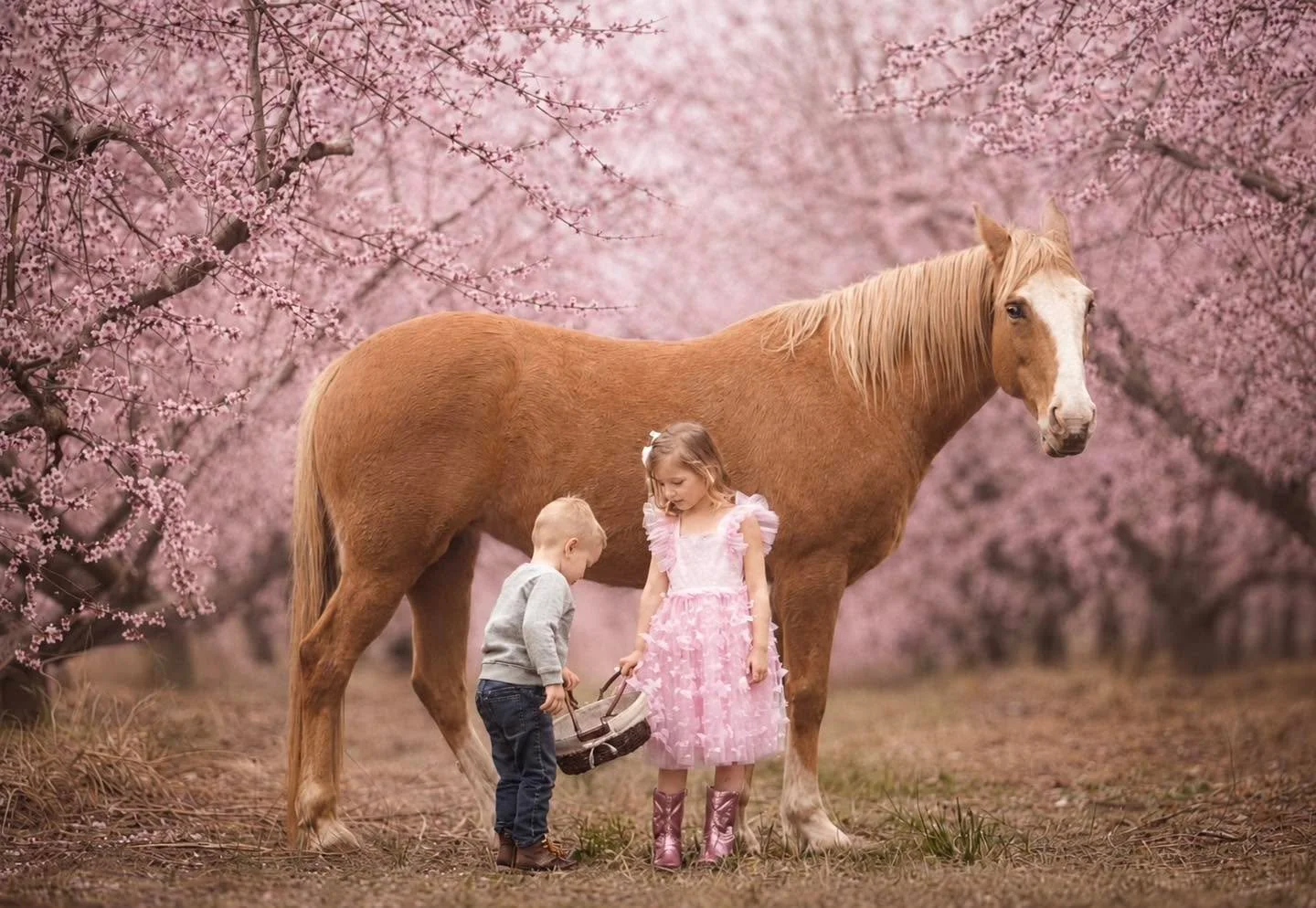
Unicorn sessions have also been a part of our branding. Offering unique dress options for all the little girls and boys (even families, too) for a one-of-a-kind unique experience.
Other avenues for revenue for photographers!
Selling photography products to your customers can be important for several reasons:
Additional Revenue: Selling products such as prints, albums, or photo merchandise can significantly boost your income beyond your standard photography fees.
Value for Customers: Offering tangible products allows your clients to hold and display your work, creating a deeper connection to your art.
Branding and Marketing: Products with your images can serve as marketing tools when they are displayed in clients' homes or shared with friends and family, leading to more referrals.
Differentiation: Selling unique and high-quality products can help you stand out in a competitive photography market.
Long-term Relationships: It can foster long-term relationships with clients who return for more products and services.
Diversification: It diversifies your revenue streams, making your photography business more resilient.
However, selling products also involves additional work in terms of production, sales, and customer service. It's important to find a balance that suits your business model and the preferences of your target audience. Some photographers focus primarily on digital files and services, while others build their businesses around selling photography products. The key is to understand your customers' needs and preferences and offer products that align with your brand and their expectations.
Happy Shooting, my friends!
Dee Giumetti
Shooting Star Photography
The Ultimate Guide to Building an SEO-Friendly Photography Website
Congratulations on launching your photography business! You've got the skills, the passion, and now you're eager to start capturing amazing moments for clients. However, to turn your passion into a thriving business, you need clients to find you. In this guide, we'll walk you through the essential steps to create a professional website and optimize it for SEO to get your photography business noticed.
Building a Professional Website
1. Design and Presentation
The foundation of your online presence is a professional website. Your website should be clean, readable, and presentable. Remember, your website is often the first impression potential clients have of your work. Make it visually appealing and user-friendly.
2. Portfolio
Showcase your work with a varied portfolio. Include samples of different types of photography you offer. Whether it's weddings, family portraits, or landscapes, a diverse portfolio will attract a broader audience.
3. Pricing
Clearly state your pricing and packages. Transparency about your rates will help potential clients understand what they can expect.
4. Location and Contact
Ensure your website clearly mentions your location and the areas you plan to serve. Include a prominent contact form, making it easy for clients to reach out to you.
SEO Optimization
I am completely NO JOKE when it comes to SEO. I don’t ever pay for ads. As you see here, this is incognito mode (click on top of photo). Google generally likes to show you google searches based on your google searches in the past. Incognito mode is the general mode in which you want to search for your google ranking. Otherwise, it will not show you an accurate listing if under your profile.
Notice we are in the top search. Above even wedding wire for our number one tag that we utilize on our website.
1. Use Clear Headers
Organize your content with clear headers. Proper headings not only make your website more user-friendly but also help search engines understand your content.
2. Backend Optimization
Most website platforms offer backend optimization options. Utilize meta tags, meta descriptions, and alt tags for your images. These tags make it easier for search engines to index your content.
3. Submit Your Sitemap
Sign up for Google Search Console to submit your sitemap. This step is crucial for Google to crawl and index your website, making it visible in search results.
Content Creation and Blogging
1. Regular Blogging
Now comes the fun part - blogging! As a photographer, you may not have thought of yourself as a writer, but blogging is an excellent way to boost your SEO. Aim to write at least two blog posts per week, with each post being a minimum of 600 words.
2. Blog Ideas
Your blog posts can cover a wide range of topics. Share your journey into photography, showcase your latest work, or offer a glimpse behind the scenes of a photo session. You can also write about photography equipment, props, or wardrobe additions you've made.
3. Categories and Tags
Organize your blogs with categories and tags. For instance, if you write about Santa sessions in Haddon Township, your category could be "Santa Photography Sessions," and your tags might include "Haddon Township," "New Jersey," "Christmas Sessions," and more. Use categories and tags to help potential clients find your content.
4. Alt Tags for Images
Don't forget to add descriptive alt tags to the photos you upload. Alt tags provide text descriptions for images and improve accessibility while assisting search engines in understanding your visual content.
Getting Indexed
Once you've completed the backend optimization, published your blog post, and chosen a featured photo, head to Google Search Console to request indexing. This step ensures your new content appears in Google's search results.
The Power of SEO for Photographers
Optimizing your photography website for SEO is the number one way to attract clients, especially if you're just starting out. Being on the first page of Google search results can significantly boost your visibility and credibility in the competitive photography industry. So, follow these steps, consistently create valuable content, and watch your photography business grow. Your journey as a successful photographer starts with a well-optimized website and regular blogging.
I promise you, if you do this, you will get consistent bookings!!!
Happy shooting, my friends!
Dee Giumetti
Shooting Star Photography
It's a Dog EAT Dog... Photography World
Breaking Into The Tough Business Of Photography
This is going out to any new photographer out there. The photography world is a dog eat dog, competitive field my friends. They will literally eat you up and spit you out alive and then double that! For anyone just getting into it, it's a whirlwind of information and a bizarre Alice In Wonderland experience.
Photo edited to inspire Alice In Wonderland... As sometimes the photography field can look like!
Breaking Into The Tough Business Of Photography
This is going out to any new photographer out there. The photography world is a dog eat dog, competitive field my friends. They will literally eat you up and spit you out alive and then double that! For anyone just getting into it, it's a whirlwind of information and a bizarre Alice In Wonderland experience.
I'll explain my reasoning. There are actually different levels one attains on this photographic journey. One is getting your new camera. You get excited and start snapping away. Folks start to see your "snapping" and then want you to take pictures of them and their kids and then the ego slllllowly builds up and before you know it, you'll start to add special "effects@ with your new editing gear, buy some presets and actions. You'll order business cards, open up a facebook page and website and voila you are a professional, but guess what you're so wrong!I understand we all start somewhere and yes, I am not perfect by any means (but at least my work is in focus and people don't look like Oompa Loompas, you know with orange over-saturated skin).
You need to learn your principals before you ever start to charge or call yourself a professional.With principals, I mean by your rule of thirds, composition, the exposure triangle, light and being able to read it. Plus, there are so many other factors and expenses that come into play. Editing software, good quality lenses, registering your business, obtaining insurance, paying taxes, calibrating your monitor, SD Cards, filters, props, expodisc, learning how to edit and to do it properly...
All these items add up. It soon becomes very overwhelming to a beginner.It's amazing that folks think they can take a picture and because they think they have great equipment and they are professionals, but have no clue about most of what I speak of above.Yes! We all start somewhere and I'm not knocking anyone down because they want to pursue their passion... But... If you don't know what I am talking about, when I listed all the items above... YOU SHOULD NOT BE IN BUSINESS.
You should be gaining and learning these skills and at least understanding your basics as mentioned above. When you learn them, yes... By all means open a business...But guess what? There are hundreds of others of professionals opening their doors every single day and you better have a plan... A business strategy and marketing plan (and guess what, you can't rely on facebook for your marketing anymore as they changed their algorithms when it pertains to businesses.)
You will soon find out that sometimes your work and what you produce doesn't matter and that 90% of this field requires a business plan to last. This is an extremely saturated field. What are you going to do to separate yourself? What's your plan? Because you sure do need one if you are going to last.
This is not an easy field and one must develop thick skin to keep going forward.You just really need to want this, if you decide this is the path for you. It requires getting your hands dirty with no acknowledgement sometimes or praise. It means hitting the pavement and sometimes knocking on doors to get your name out there.
Business cards and a website are just not going to cut it, in this field.You may get very busy and keep getting busy when you first start out, but eventually you end up hitting a road block. From there and what you do from there, will determine your future success.
There will be many times when you'll just want to throw in the towel and give up in these moments.What you need to do is sit down and develop a plan and strategy, follow it through and you just may have a chance as a successful photographer. Getting started is not an easy feat and I wish you the most luck in your endeavor.
Happy Shooting, my friends!
Dee